I make complexproducts feel clear.
20+ years shaping digital experiences across enterprise, government, and global brands. Research, systems thinking, and hands-on design—from the first question to the final interaction.
Open to Senior and Staff Product Design roles · Ottawa, Canada
01 / Selected work
Clarity, in practice.
Five projects at the intersection of people, systems, and complex decisions.
A systems thinker.
A hands-on designer.
I connect the details people interact with to the systems and teams behind them.
My career spans agencies, enterprise products, public services, and games. I’ve led designers and researchers, worked alongside product and engineering teams, and stayed close to the craft: flows, prototypes, interaction design, and the details that make a product usable.
Outside design: illustration, basketball coaching, books, and a house with plenty of cats.
Find the right problem
Research, workshops, and service mapping to understand user needs and the constraints shaping the product.
Make complexity usable
Clear workflows, accessible interfaces, and design systems that bring consistency to complex products.
Bring the team with you
Prototypes, design rationale, and delivery documentation that help product, engineering, and stakeholders move forward together.
Complex product.
Clearer experience.
I’m exploring Senior and Staff Product Designer opportunities with teams building useful, ambitious products.
Let’s talk about your teamSelected work
Five projects at the intersection of people, systems, and complex decisions.
Product design forthings that have to work.
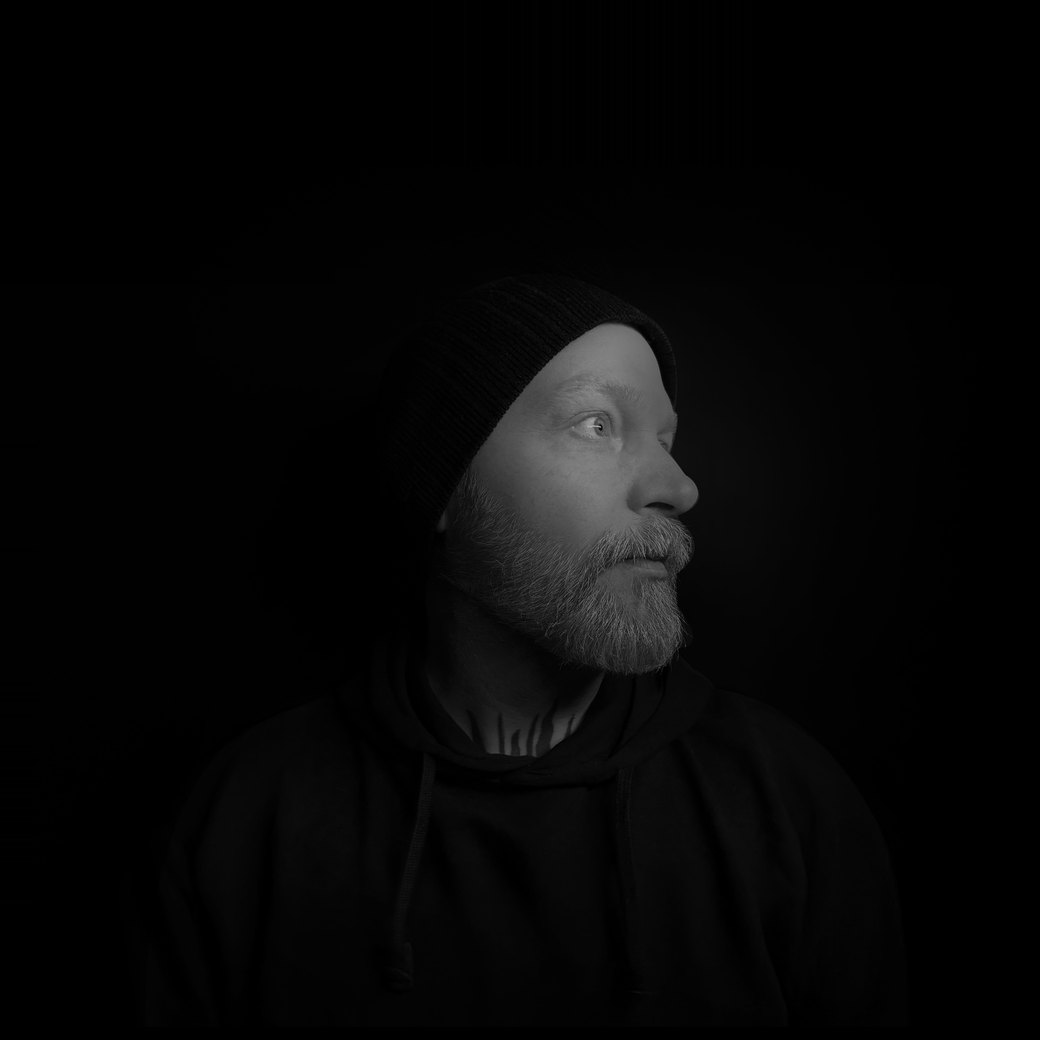
I’m a senior product designer and UX lead based in Ottawa, Canada, with more than 20 years of experience across enterprise products, public services, and global brands.
My work today focuses on complex, high-stakes products: government services, regulated platforms, data tools, and enterprise software. I’ve led UX for organizations including Government of Alberta, Transport Canada, Treasury Board Secretariat, FCAC, and ESPN / MLB on Google Looker.
Earlier in my career I worked in brand and digital campaigns for Nike, Jordan Brand, HP, and Mercedes-Benz, and in games. That background still shapes how I think about craft, motion, and detail.
I connect the details people interact with to the systems and teams behind them. I’ve led designers and researchers, worked alongside product and engineering teams, and stayed close to the craft: flows, prototypes, interaction design, and the details that make a product usable.
I start with the people and the policy or business constraint behind a product, map the service end to end, then prototype early and test with real users. I build accessibility in from the start (WCAG 2.1 AA), keep design systems consistent across teams, and work closely with developers through sprint standards and clear definitions of done.
Illustration, basketball coaching, books, and a house with plenty of cats.
Complex product.
Clearer experience.
I’m exploring Senior and Staff Product Designer opportunities with teams building useful, ambitious products.
Let’s talk about your teamLet’s talk
Tell me aboutyour team.
hello@jasondoherty.comWhat I’m looking for
Senior and Staff Product Designer roles with teams building useful, ambitious products.
What to include
A short note on the product, the team, and where design fits in. A link to the role helps. A short CV is available to download, and a full résumé is available on request.
Where I am
Ottawa, Canada.
Bringing clarity to complex vessel registration.
Modernizing the vessel registration experience through research, clearer form workflows, and responsive design.
Senior UX/UI Designer & Service Designer
Forms · Registration · Accessibility
Public services · Workflow design
Redesigned the Vessel Registry, led UX for the MITRACK vessel loading system, and developed a global design system and design language for the department.
The challenge
Vessel registration connects owners, marine businesses, legal representatives, and registry staff. Legacy forms and navigation made the service difficult to understand, while internal processing introduced its own workflow challenges.
My contribution
I worked on the Vessel Registry experience with Transport Canada’s Marine Division, connecting user research and process mapping to interface design, interactive prototypes, and delivery documentation.
Impact
A connected view of vessel registration, from the public online form to the registry staff workspace, aligned to Canada.ca patterns and accessibility requirements.
Design approach
Follow the whole service
Research and journey mapping considered both the people submitting requests and the staff handling them. This created a broader view of the service than a form-by-form redesign alone.
Clarify the form journey
I worked on form logic, related field groupings, contextual guidance, and responsive layouts to help users understand what information they needed to provide.
Design within public-service standards
I aligned the interface work with Canada.ca patterns and accessibility requirements, using prototypes and stakeholder feedback to iterate within the realities of a government service.
01Process
The UX process mapped as a double diamond, from initial insight and research through design, build and launch.
02Online vessel registration
The public-facing form for registering a vessel, split into eight steps with a progress indicator.
03Vessel Registry workspace
The internal workspace where registry staff review a request, track what is missing and issue the certificate.
04MITRACK: finding and filtering requests
The MITRACK service requests list, with search, collapsible filters and a summary of the filters currently applied.
05MITRACK: creating requests and reviewing evidence
Creating a service request on a phone, and reviewing photo and video evidence for an inspection deficiency.
06MITRACK: paging through results
A pagination pattern designed to scale from a few pages to hundreds, with its states and behaviours documented.
What I delivered
The work produced responsive prototypes, process and user-flow diagrams, and reusable interface patterns to support service modernization. These artifacts helped connect research findings, policy requirements, and implementation discussions.
The design lesson
Public-service design succeeds when the user journey and the operational process make sense together. Clearer forms are one part of that larger service.